
Beyond the Backlash
Six years after George Floyd, the fight for racial justice has found its second wind in our communities.

The murder of George Floyd six years ago by Minneapolis police officers sparked a cultural moment in the United States, galvanizing millions to demand racial justice and an end to systemic brutality. Within months, a racial reckoning flourished; many organizations and activists received a surprising influx of donations from everyday people interested in working for justice. Polling at the time showed 67 percent of Americans supported the Black Lives Matter movement.
The Great Reversal
In just six short years, the dominant conversation about racial justice in the United States has turned upside down. National political leaders have demonized diversity and equity in education and the workforce, Black history is being erased from museums and classrooms, and the Supreme Court has decimated the Voting Rights Act of 1965, allowing states to silence the political voices of Black citizens.
I am angry, sad, and motivated.
Investing in the Frontlines
I lead a national criminal justice reform organization that, for 40 years, has directly confronted the racial injustice at the heart of the U.S. legal system and its perpetuation of mass incarceration. After Floyd’s death, we established a Racial Justice Fund. The fund reallocates some of the increased resources we received to partners in states who are working to protect youth and adults impacted by mass incarceration. Since then, The Sentencing Project has granted about $1 million to grassroots nonprofit organizations who prioritize the leadership of people impacted by the criminal legal system. We hope to grow this investment in the coming years because the work for justice requires many hands and minds.
Connecticut’s Initiative
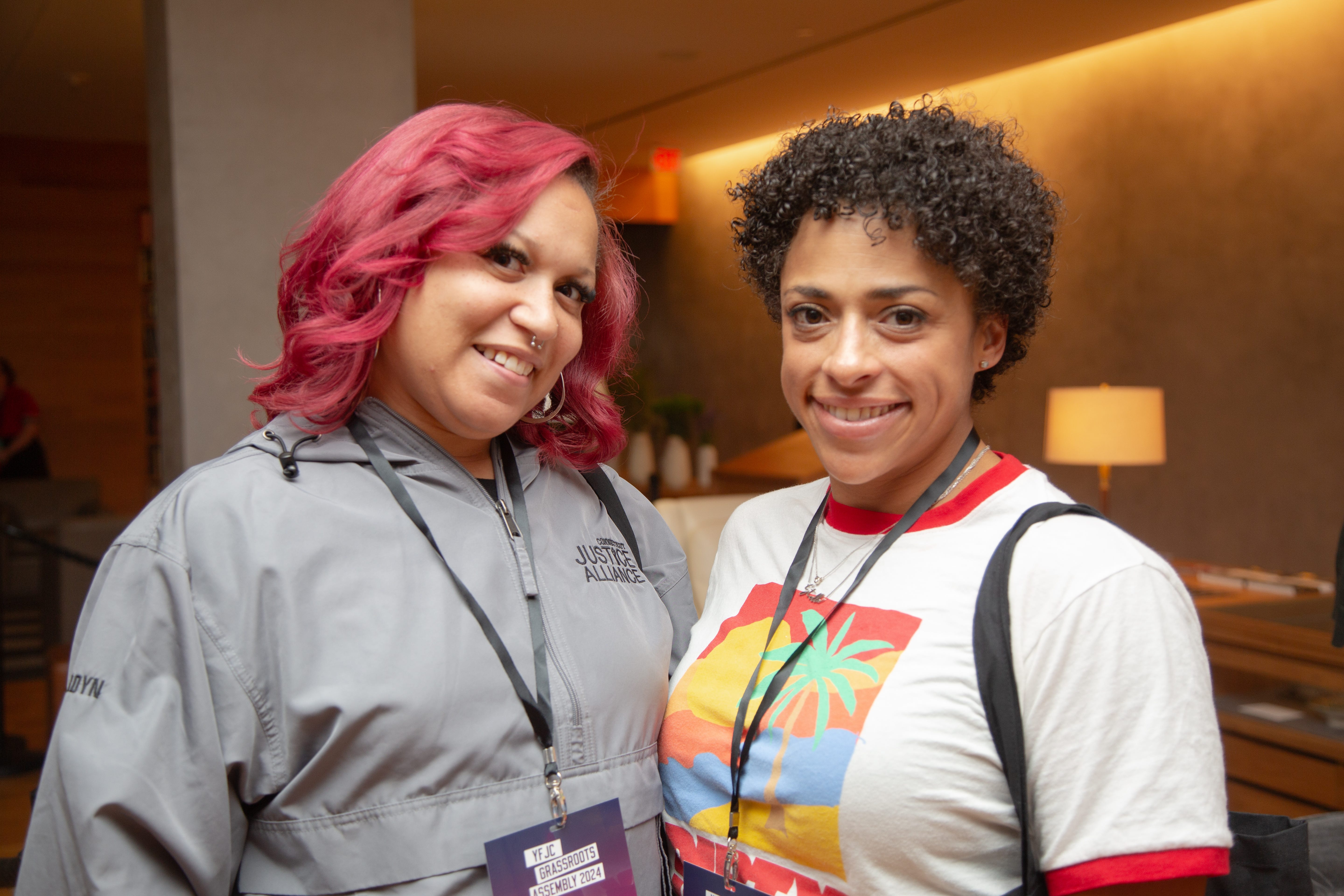
Organizations working directly with individuals most impacted by incarceration are often best positioned to identify solutions to ending mass incarceration and its impact on Black communities. The Connecticut Justice Alliance (CTJA) is one organization that The Sentencing Project has partnered with this year through our Racial Justice Fund, and they exemplify this model. Executive Director Christina Quaranta and Deputy Director of Strategic Initiatives Jordyn Wilson, who lead the organization, describe themselves as two moms who “show up daily to protect the rights and futures of Connecticut’s youth and build the right, properly funded and supported, communities that our kids will grow up in.”
Nationally, Black youth are almost six times as likely to be incarcerated as their white peers. This racial disparity for youth in juvenile facilities is the highest it has been since 1997. In Connecticut, Black youth are 17 times as likely to be incarcerated as their white peers.
CTJA collaborates with youth impacted by the juvenile justice system, including youth who are currently incarcerated, “teaching them the power of youth voice in political advocacy and community organizing,” according to Wilson. They speak with lawmakers and community stakeholders about the need for change. Their advocacy helped raise the minimum age of arrest to 10. Their organizational priorities include expanding parole eligibility, investing in diversion and community-based supports for youth, removing youth from adult prisons, and stopping the creation of new youth prisons.
CTJA is one of many community-focused organizations doing powerful work to support young people in their efforts to build thriving, healthy futures for themselves and their families. I’m excited by their progress and optimistic that their accomplishments will grow in Connecticut.
A Lesson in Hope
While the current political movement for racial justice faces big hurdles, our fight continues. There is a lesson to be learned from the young people successfully advocating for justice reform in Connecticut. Despite the dire circumstances of their incarceration, they can make change happen. We can too.
We owe it to the memory of George Floyd, and too many others whose names became catalysts for change, to ensure that the fire ignited six years ago isn’t extinguished by the backlash, but instead fuels a more enduring, community-led fight for racial justice.